

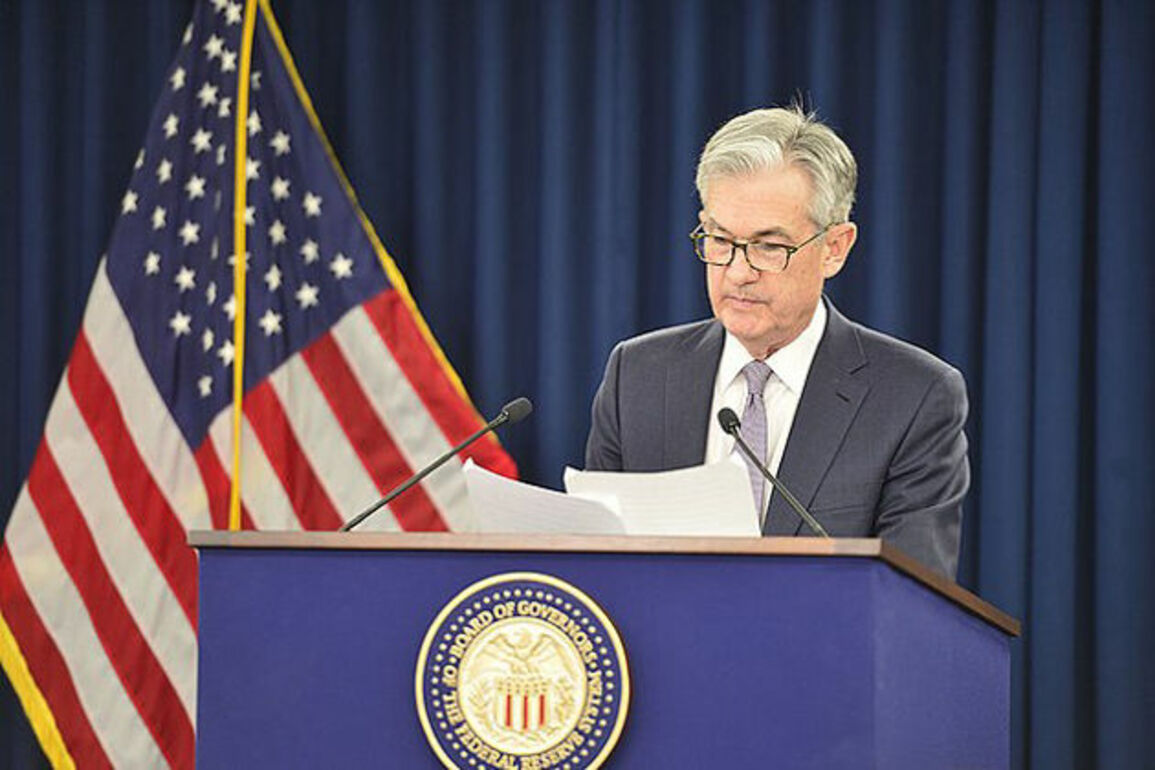
WASHINGTON, D.C: Jerome Powell stepped down as chair of the Federal Reserve on May 15 after an eight-year tenure marked by sweeping economic interventions and an unusually strong focus on cultivating support in Congress.
During his term, Powell cut interest rates to near zero and launched massive bond-buying programs to stabilize the economy during the COVID-19 pandemic. He later led the sharpest series of rate increases in four decades to combat inflation.
He also revised the Federal Reserve's policy framework twice and communicated more frequently with the public than any of his predecessors.
But some economists say Powell's most significant contribution may have been strengthening the central bank's relationship with lawmakers on Capitol Hill.
As a former Treasury official, private equity executive, and policy analyst, Powell brought a more political and relationship-driven style to the role than predecessors such as Janet Yellen and Ben Bernanke, both distinguished economists.
Powell saw Congress as the Federal Reserve's primary source of accountability and an important safeguard against political pressure, especially after clashing with President Donald Trump early in his tenure.
Research by Thomas Drechsel, an assistant professor of economics at the University of Maryland, found that Powell met with members of Congress far more often than Yellen or Bernanke.
"It was systematic," Drechsel said of Powell's outreach to lawmakers. "Maybe it was just natural, given Powell's background. Bernanke and Yellen were academics... But given the political environment, it was noteworthy that he interacted so much... One interpretation is that Powell actively worked with Congress, perhaps to protect the Fed."
Powell's successor, Kevin Warsh, is also known for his diplomatic skills and may adopt a similar approach.
Not all lawmakers were impressed. Senator Bernie Moreno, an Ohio Republican, said his meetings with Powell reinforced his criticism. "He is hyperpolitical ... and it hurt the Fed in a gigantic way," Moreno said.
Still, Powell's relationships on Capitol Hill may have helped protect him when members of the Senate recently backed him during a dispute with the Trump administration over a criminal investigation that was later dropped.